
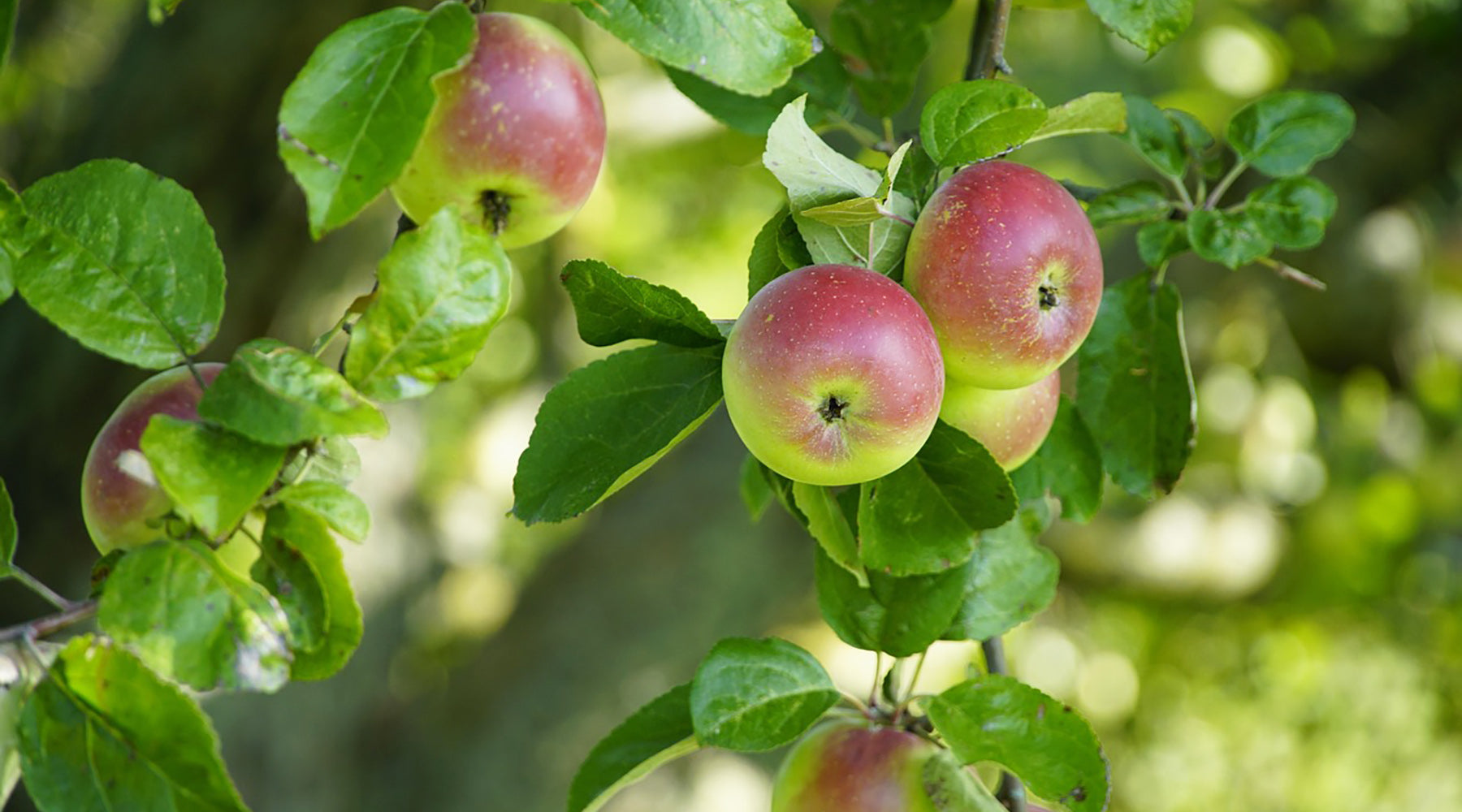
How to Winter Prune Your Apple or Pear Tree
Winter is the ideal time to prune established apple, pear and quince trees here in the UK. If you haven’t done yours yet, try not to leave it much later than early March, before the tree wakes up and fresh growth begins. With the leaves fallen, it’s much easier to see the tree’s framework and make confident pruning decisions. A good winter prune keeps your tree healthy, improves airflow, reduces the risk of disease and helps you enjoy a better crop in summer.
If your tree is younger than three years old, it may not need structural pruning yet; the advice below is for more established fruit trees. And remember, do not winter-prune stone fruits such as plums, cherries or apricots. These are prone to the fungal disease silver leaf if pruned in winter. Save their pruning for late spring (after flowering) or late summer (after harvesting).
Getting Ready to Prune
Pick a dry day
Pruning when the tree is dry is more pleasant for you and reduces the risk of moisture entering fresh cuts, which can cause die-back or infection.
Clean and prep your tools
Secateurs, loppers and pruning saws should be washed in warm, soapy water and dried thoroughly to prevent rust. Use a disinfectant (e.g. Jeyes Fluid) and allow it to sit for 20 minutes to kill off any lingering pests or pathogens.
Think about your safety
If you’re using a ladder, make sure it’s secure - tie it to something sturdy or place it on a solid board and ideally have someone steady it for you. Never climb above the ladder’s pivot point. Wear supportive footwear and consider a hat to protect you from falling twigs.

1. Start with the Three Ds: Diseased, Damaged, Dead
Begin by removing any branches that are:
Dead – brittle and without buds
Diseased – discoloured, oozing or unhealthy
Damaged – cracked or broken by wind or weight
Cut back to a healthy junction or right to the trunk.
Look out for suckers too, vigorous shoots emerging from the base of the tree. These grow from the rootstock and will outcompete the grafted variety if left. Remove them cleanly.
2. Shape the Tree: Aim for an Open, Cup-Shaped Crown
Fruit trees thrive with an open centre that allows light, air and pollinating insects to reach the heart of the tree. To check yours, stand by the trunk and look directly upward - you should be able to see daylight rather than a thicket of branches.
To improve the structure:
Remove branches growing inwards or those that cross and rub.
Where several branches emerge from the same point, choose the strongest, best-placed one and remove the rest.
Maintain a balanced, open framework that encourages healthy fruiting wood.

3. Prune for Length: Shorten Outward-Growing Branches
Once you’re happy with the shape, move on to shortening some of the longer, outward-facing branches. This “heading back” helps branches grow thicker and stronger, better able to support fruit without bending or snapping.
How to do it:
Reduce last year’s growth by up to one-third.
Always cut just above a healthy outward-facing bud.
Avoid leaving “stubs” with no buds, as these can die back and compromise the branch.
As your tree matures, you’ll likely need to do less heading-back each year.
Final Tips
- Make cuts at a slight angle so water can run off rather than sit on the wound.
- Avoid pruning halfway along a branch unless heading back; otherwise, prune back to a main branch.
- Wound dressings or pruning paint aren’t usually necessary if cuts are clean and angled.
- By early February, consider applying a winter tree wash or grease band to help prevent winter moth caterpillars from affecting developing fruits. Our Garden Centre team can advise on the best products for your tree.
- If your fruit tree has been left unpruned for years, avoid the temptation to tackle everything at once. A drastic prune can shock the tree and trigger excessive regrowth. Instead, plan a two- or three-year programme, starting with the Three Ds and gradually opening up the structure.
- When removing very large limbs, do it in sections: take off smaller side branches first, then shorten the main limb in manageable parts.
- Remember that horizontal branches tend to produce more fruit than vertical ones, and they’re easier to harvest too!

In Summary
Many gardeners worry about pruning fruit trees in case they make a mistake, but winter pruning is generally very forgiving. As long as you use clean tools, make thoughtful cuts and work safely, you’re unlikely to cause harm. Pruning at the right time helps ensure better fruiting, stronger growth and a tree that stays attractive for years to come. And if your tree isn’t performing well anyway, you’ve little to lose by giving winter pruning a try.
If you’d like tailored guidance or help choosing tools and treatments, pop in and chat with our Garden Centre team - we’re always happy to help.
If you'd like some tips on planting a fruit tree (or any tree or shrub), try these.
For other jobs you can be doing in your garden this winter, read more here.

Leave a comment
This site is protected by hCaptcha and the hCaptcha Privacy Policy and Terms of Service apply.