
February in your Garden
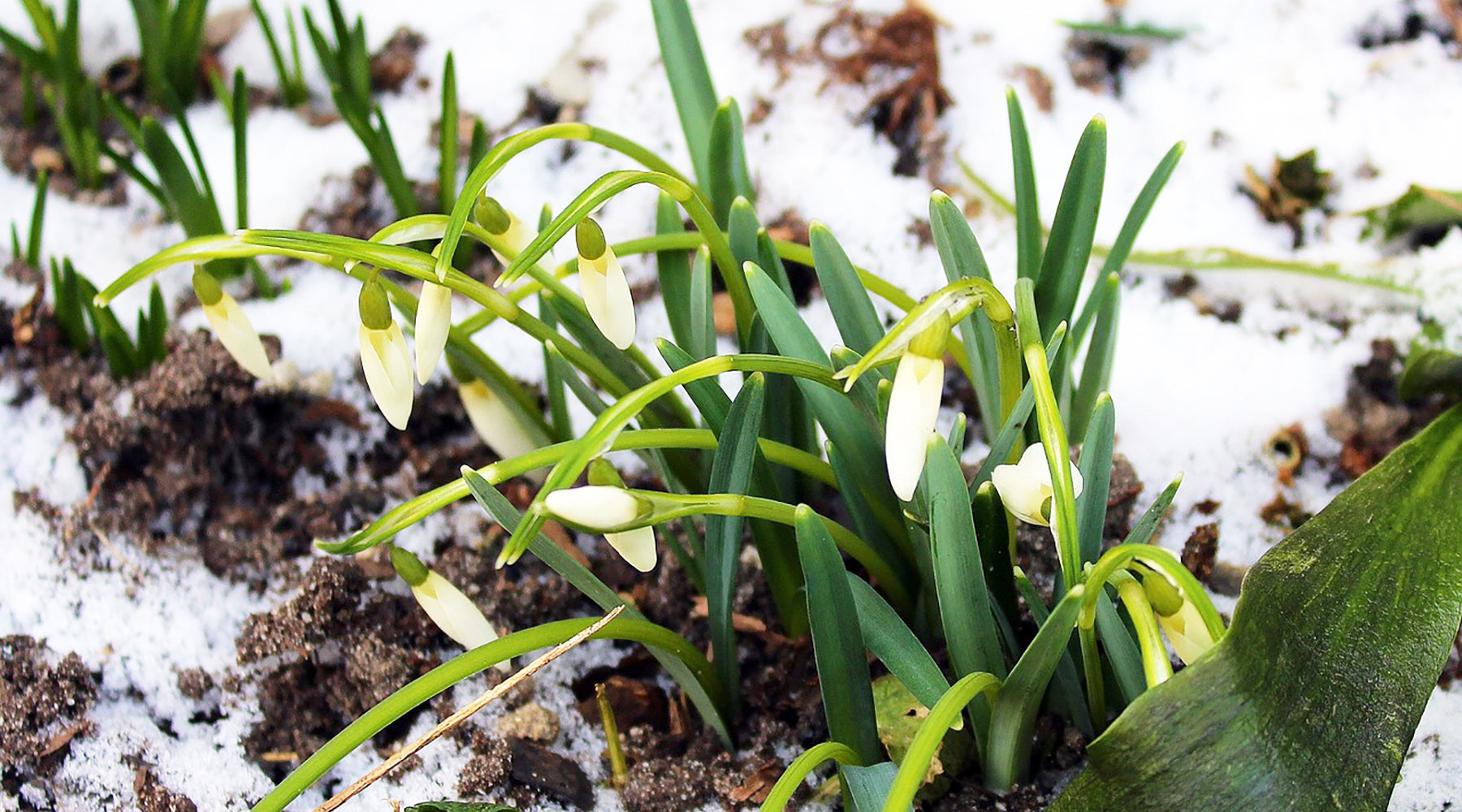
February feels transitional: still winter, yet hints of spring are starting to appear. Snowdrops push through, hellebores colour up and buds begin to swell. Gardening tasks begin to pick up pace. With those odd dry, bright days, it really makes us look forward to the new season ahead! (It’s enough to make you fall in love with gardening again.)
Here’s our guide to what you can be getting on with when you feel like stepping outdoors again.
Preparing Soil for Spring Growth
Start by checking your soil conditions. Choose a dry spell to lightly fork compacted ground but avoid heavy digging. Top up mulches around perennials and shrubs. Clear the last of autumn’s debris but keep some leaf litter under hedges or inconspicuous corners as welcome shelter for insects.
Key Shrub & Rose Pruning in Late Winter
This is the main pruning month for many shrubs. Cut back late-flowering clematis (Group 3) to about 30–45cm from the ground. Prune dogwoods and willows used for winter stems, taking them down hard to encourage vibrant new growth. Tidy hydrangeas by removing spent flowerheads just above healthy buds. Roses can be pruned now in our area; shape them to an open structure and remove weak wood.
Lawns may look tired. Rake out worm casts and gently edge borders but avoid mowing until growth restarts. Repair raised paving or wobbly sleepers while vegetation is still low.

Early Sowing Indoors and Outdoors
In the veg garden, sowing begins! Under cover, you’re safe to start broad beans, early peas, leeks, chillies and hardy salads. Outdoors, sow parsnips and spinach if the soil has warmed a little. Prepare your seed beds by covering areas with fleece or clear plastic for a couple of weeks to warm them up a bit. Plant spring-planting shallots and onion sets. Check supports for peas and beans; replacing them now avoids mid-season surprises.

Fruit Bushes and Pots
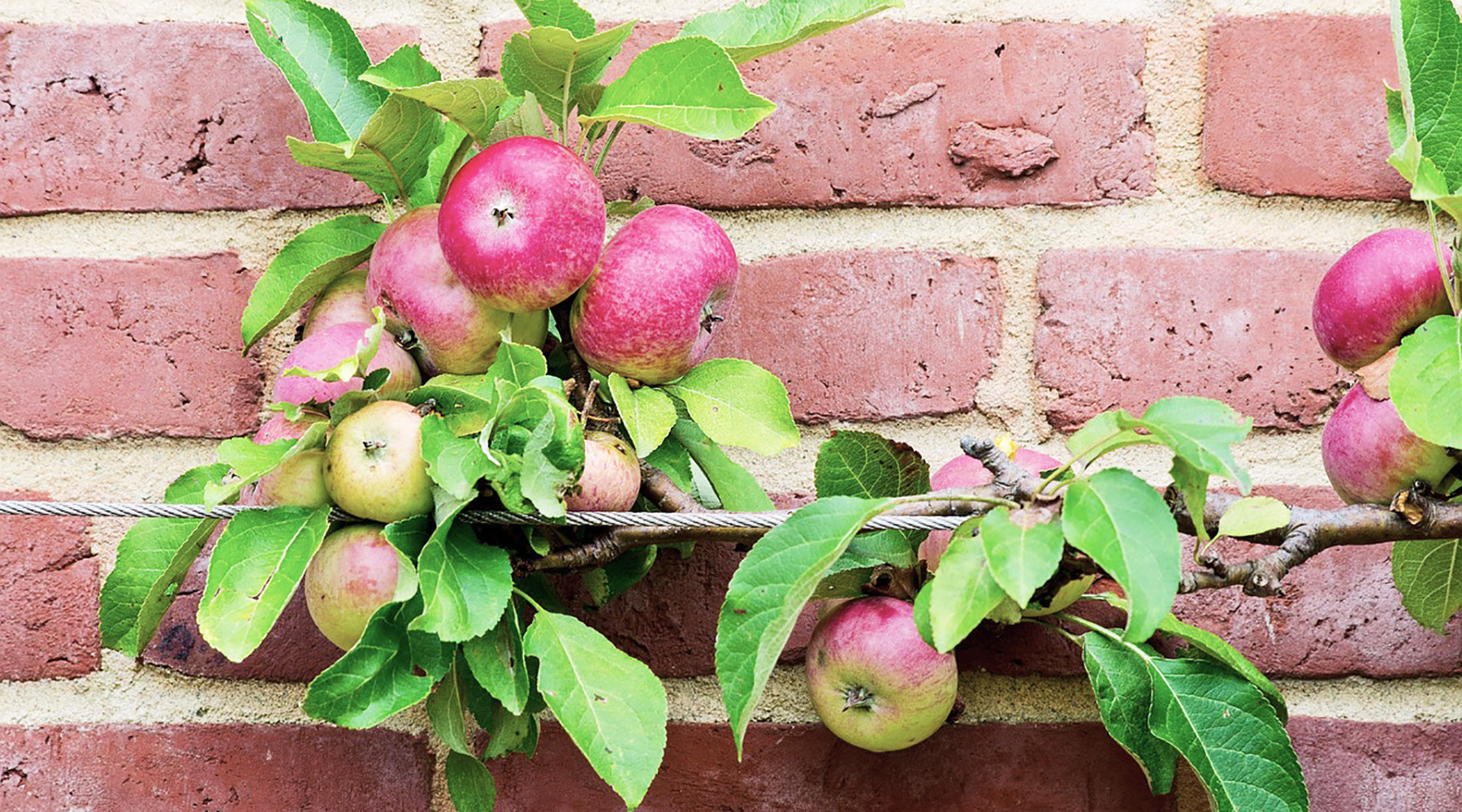
Fruit bushes appreciate some attention now. Mulch raspberries and feed blueberries with ericaceous compost. Tie in blackberry canes before buds burst. Plant bare-root strawberries if the ground allows; if not, plant them in pots and keep them in a sheltered spot until it’s warm enough to move them out. Remember to clean and sharpen your secateurs before tackling any delicate work.
Pots come alive quickly in late winter. Refresh the top layer of compost, add slow-release feed and water sparingly. Position containers with emerging bulbs where you can enjoy them, near doorsteps, paths and patios. For tender plants overwintered indoors, give brighter light and begin light watering to wake them gently.
Late-Winter Wildlife Support
Wildlife is beginning to stir now so a little prep will ensure your garden is ready to welcome them. Put up new nest boxes and clean any existing ones with hot soapy water followed by a solution of disinfectant and leave to dry thoroughly. Continue feeding birds, especially during cold snaps. Leave early dandelions and other “weeds” where practical; they provide crucial nectar for emerging pollinators.

Spring really is on the way!
By month’s end, momentum builds. Finalise seed orders, sketch planting layouts and ready tools. February is the bridge to spring: short, still chilly, yet bursting with potential. The care you invest now smooths the busy weeks ahead.

Leave a comment
This site is protected by hCaptcha and the hCaptcha Privacy Policy and Terms of Service apply.