
Pruning Calendar: what to do each month in your garden
Happy New Year! Another January has rolled around and we have another year of exciting gardening to look forward to. I’d say we can’t wait but gardening certainly teaches you to be patient – and that your patience will be rewarded – so let’s not wish the year away just yet!
Over the last few years, we’ve produced a couple of calendars to help you decide what to do each month (find our seed sowing calendars here and our bulb planting guide here). We’ve also got monthly tips on what to plant and suggested garden jobs (please find them linked below). But we’ve never produced a calendar on that other important garden job – pruning!
Why does pruning matter?
Pruning is important for a number of reasons. Firstly, and perhaps most obviously, pruning plants helps to keep them tidy, ensuring they don’t swamp other plants around them and making your plot look its best. However, pruning also benefits the plant itself when done properly and at the right time. Pruning can help keep a plant healthy, ensuring the plant focuses on new growth or new blooms. Pruning can also help prevent disease, removing damaged stems which might be vulnerable or dead material that might harbour bugs. The UK’s mild winters and wet springs mean timing matters, so here’s our simple month-by-month guide to follow. And if you need some tips on how to prune, try these.

January–February
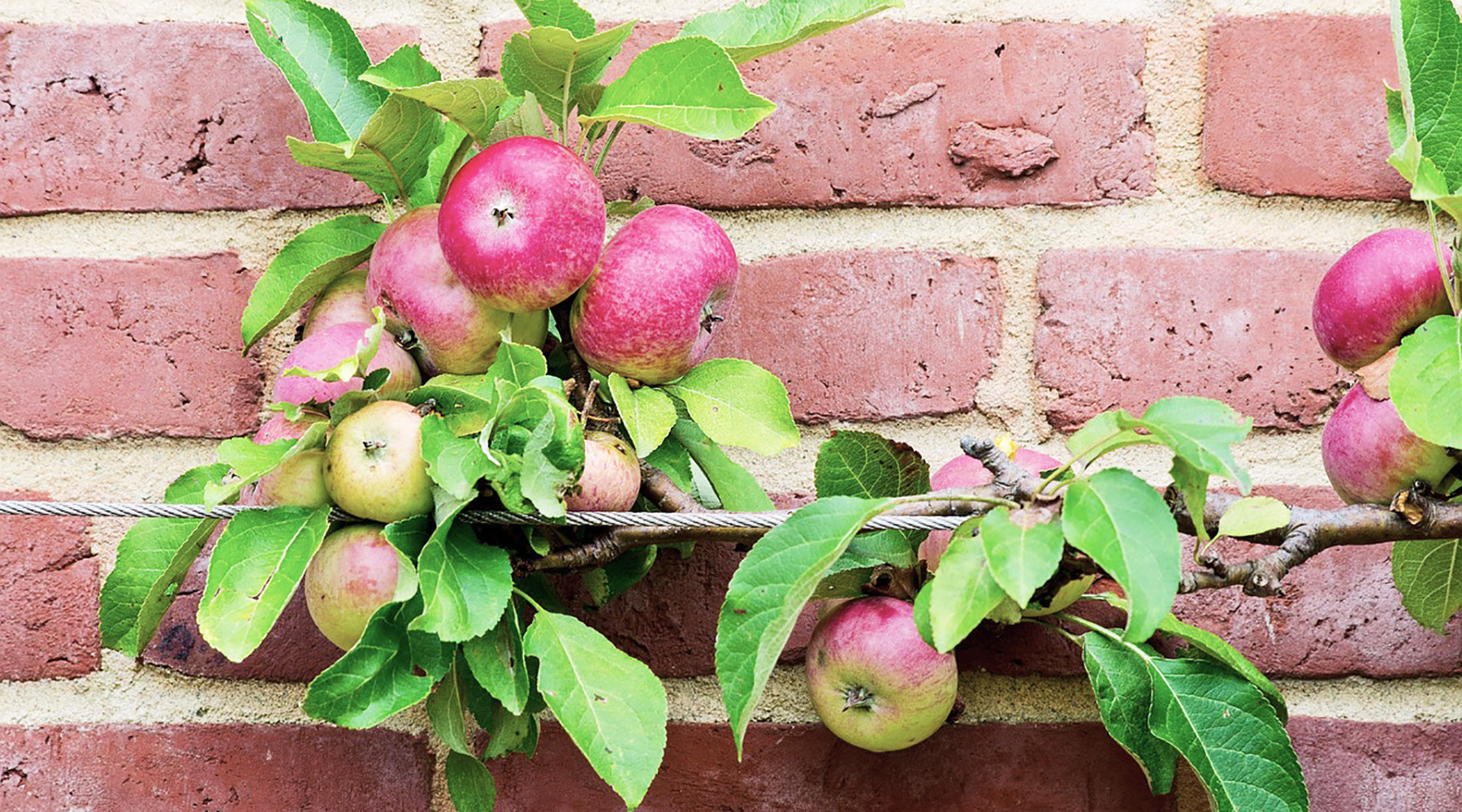
These quiet months are ideal for pruning dormant apple, pear and quince trees, and wisteria. Cut back roses in late February before new shoots appear and remove any dead or damaged wood from shrubs to help them start the year strong.
Garden jobs for January
Garden jobs for February
March–April
As spring begins, trim winter-flowering shrubs once their blooms have faded. Tidy up evergreens and hedges to keep them compact (as long as nothing is nesting in them) and cut back ornamental grasses before fresh growth emerges.
What to plant in April - summer bedding

May–June
Deadhead spring bulbs so their energy goes into next year’s flowers rather than seed production; leave the leaves to die back naturally. Prune early flowering shrubs such as forsythia and flowering currant soon after they finish flowering. Lightly shape hedges (checking that nothing is still nesting in them first) and check climbing plants for stray growth.
Plan ahead for later summer colour
July–August
Summer is the time to prune wisteria again, shortening long shoots to keep it neat. Cut back lavender after flowering to stop it getting woody. Deadhead roses and perennials regularly to extend encourage more flowers. If you have stone fruit trees (plums, peaches etc), pick a dry day and prune them now.
What to plant in August – hydrangea and hibiscus

September–October
As autumn arrives, lightly trim hedges and overgrown shrubs, removing any dead or diseased stems. Cut back perennials that have finished flowering, tidy the garden and compost healthy clippings to enrich the soil. Prune soft-fruit canes (raspberries, blackberries, currants etc.) after they have finished fruiting. Remember, leaving a few seed heads over winter provides food for birds and adds texture to the garden.
What to plant in September – grasses
What to plant in October - roses
November–December
Winter is a period of rest for most plants, so pruning should be minimal, just a trim to tidy if needs be. Focus on cleaning and sharpening your tools, mulching around trees and shrubs for protection and planning next year’s layout.
What to sow in November – broad beans
Pruning keeps your garden looking neat while helping plants stay strong and disease-free. When done at the right time, it encourages healthy growth and better flowering by removing weak or damaged stems. With thoughtful pruning and seasonal planting, your garden will stay lively and productive all year.

Leave a comment
This site is protected by hCaptcha and the hCaptcha Privacy Policy and Terms of Service apply.