
Your Garden in January
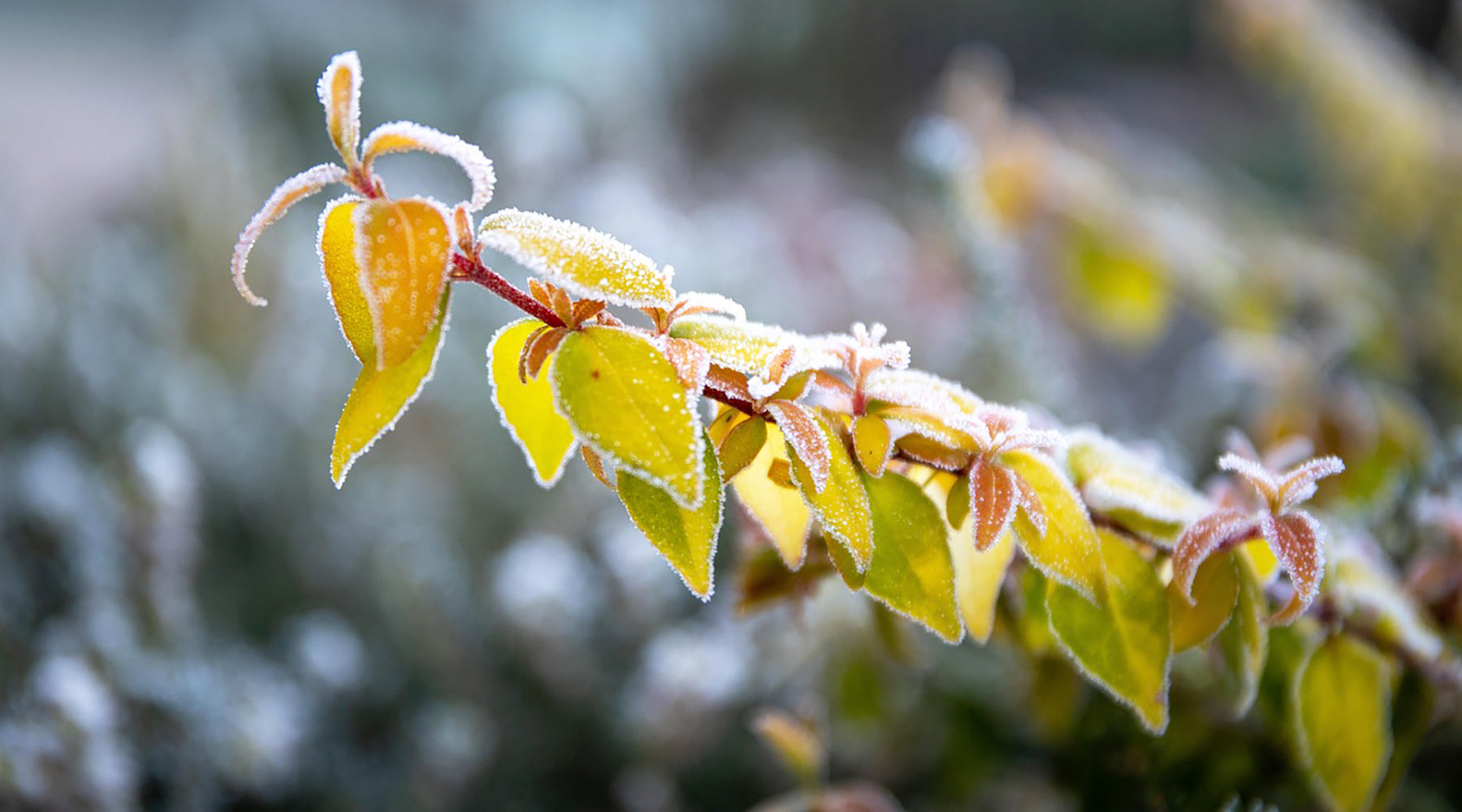
January is the new year’s jumping off point: cold, often wet, occasionally snowy, yet full of promise. Work in the garden is usually still fairly light, (unless you’re intentionally planning to make the most of the quiet months with a bigger project) but even small actions now contribute to smoother growth later.
Protection
In recent years, late winter and early spring – March in particular – have brought some heavy rain, snow and storms far more often than it used to so it’s worth starting with protection. Check fleece, cloches and greenhouse heaters after storms or heavy rain. Wind can lift covers or snap ties, leaving young or borderline-hardy plants at risk. Brush snow from evergreen shrubs and conifers; its weight can splay branches permanently. Inspect stored tubers like dahlias for mould and discard any soft ones. And feel your fence panels and any garden structures to make sure they will stand up to some strong winds.

Prune and tidy
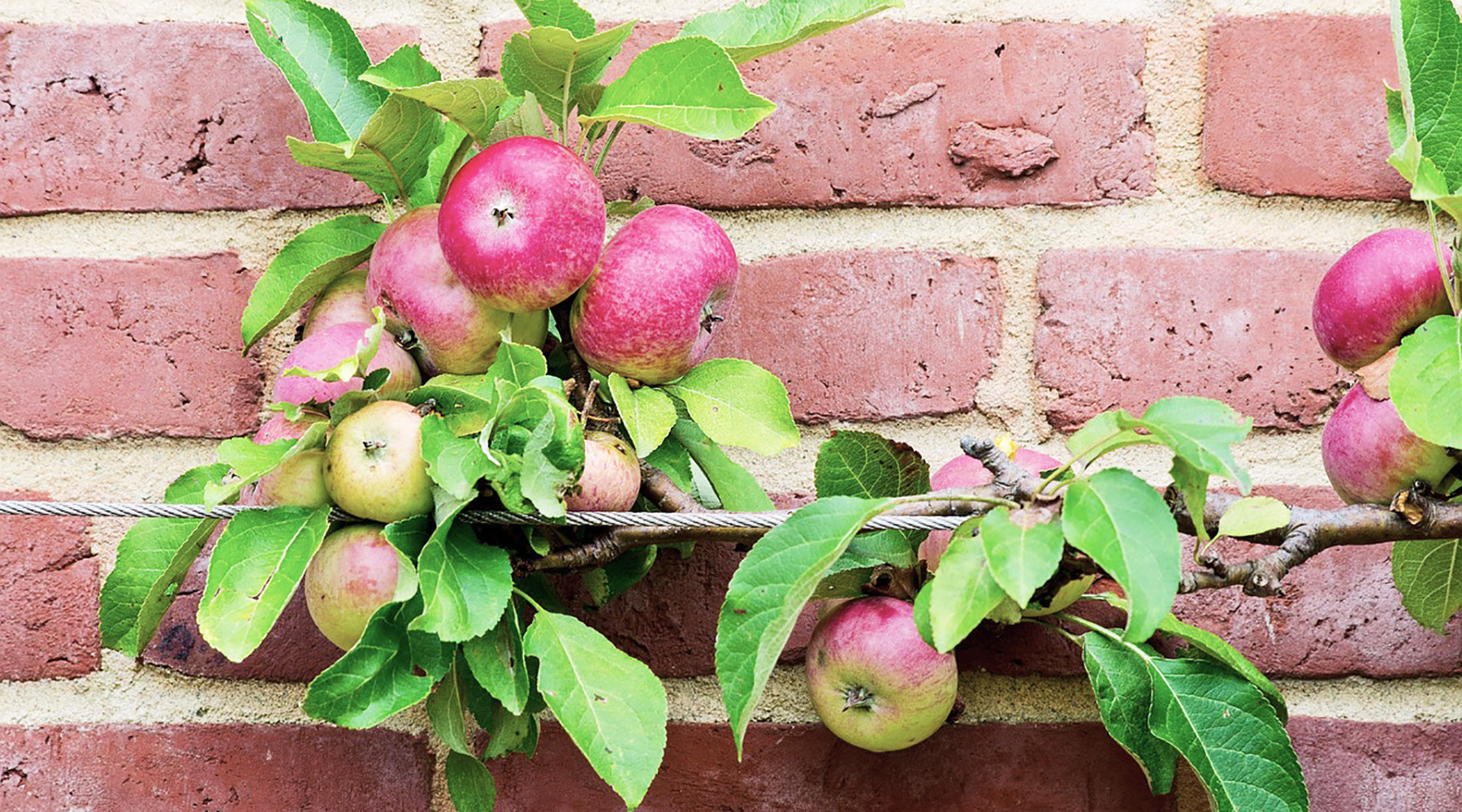
January is prime time for pruning apples and pears. Aim for an open, goblet-shaped structure that lets light into the canopy. Remove congested shoots and keep the centre airy. You can also prune gooseberries and currants, cutting out low or inward-growing branches. Avoid pruning stone fruits - cherries, plums, apricots - until the summer to prevent disease.
Hard-standing areas benefit from a clean-up. Moss thrives in mild winters, so scrub patios and steps. Clear gutters around sheds and greenhouses. This simple maintenance reduces accidents and extends the life of structures.
Preparing Beds and Planning Rotations
Beds and borders often look bare now, making structure easier to spot. Add organic mulch if you didn’t in December, but only when the ground isn’t frozen. If the soil is workable, dig in green manures such as grazing rye. January is also ideal for moving deciduous shrubs or dividing established perennials like heleniums or rudbeckias, provided the ground isn’t icy.
In the vegetable garden, plan rotations and start ordering seeds. Sowings outdoors are limited, but you can begin onions from seed in an unheated greenhouse or cold frame. Chit early potatoes in a bright, cool place to give them a head start. Check ties on espalier fruit and secure new growth.

Remember the gardeners’ friends
Over winter, our wildlife needs some extra support. Keep bird feeders topped up and supply fresh water. Avoid cutting back seedheads until later winter, as they feed finches and sparrows. If you have a wildlife pond, break surface ice gently by placing a warm pan on it rather than smashing through.
And if you garden indoors…
Houseplants experience slower growth now; although the temperate probably hasn’t dropped much for them, light levels certainly will have. Move them closer to windows to maximise the light they will get but shield them from draughts. Reduce watering and skip feeding until spring. Deadhead winter-flowering indoor plants to prolong their display.

Plan ahead
Perhaps most importantly, use January’s quieter time to set intentions. Decide where you’ll try new crops or colours and where you’ll simplify. This month is less about doing and more about preparing your gardening mind for spring’s rush.

Leave a comment
This site is protected by hCaptcha and the hCaptcha Privacy Policy and Terms of Service apply.